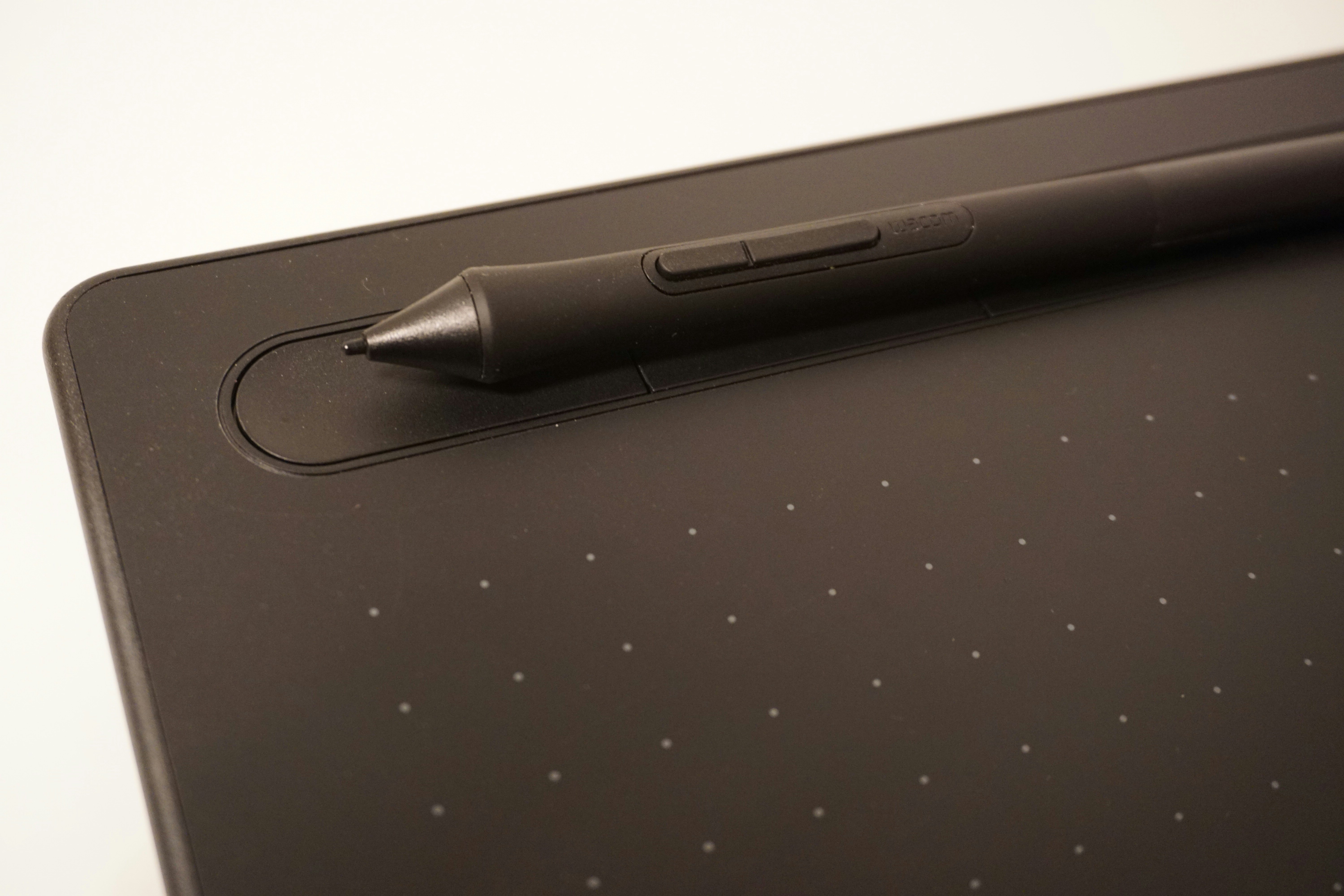

1.Concept & Scriptwriting
This phase involves brainstorming a unique premise and defining the story's core message or theme. Once the idea is solid, it is written into a formal script that details every line of dialogue, character action, and setting.
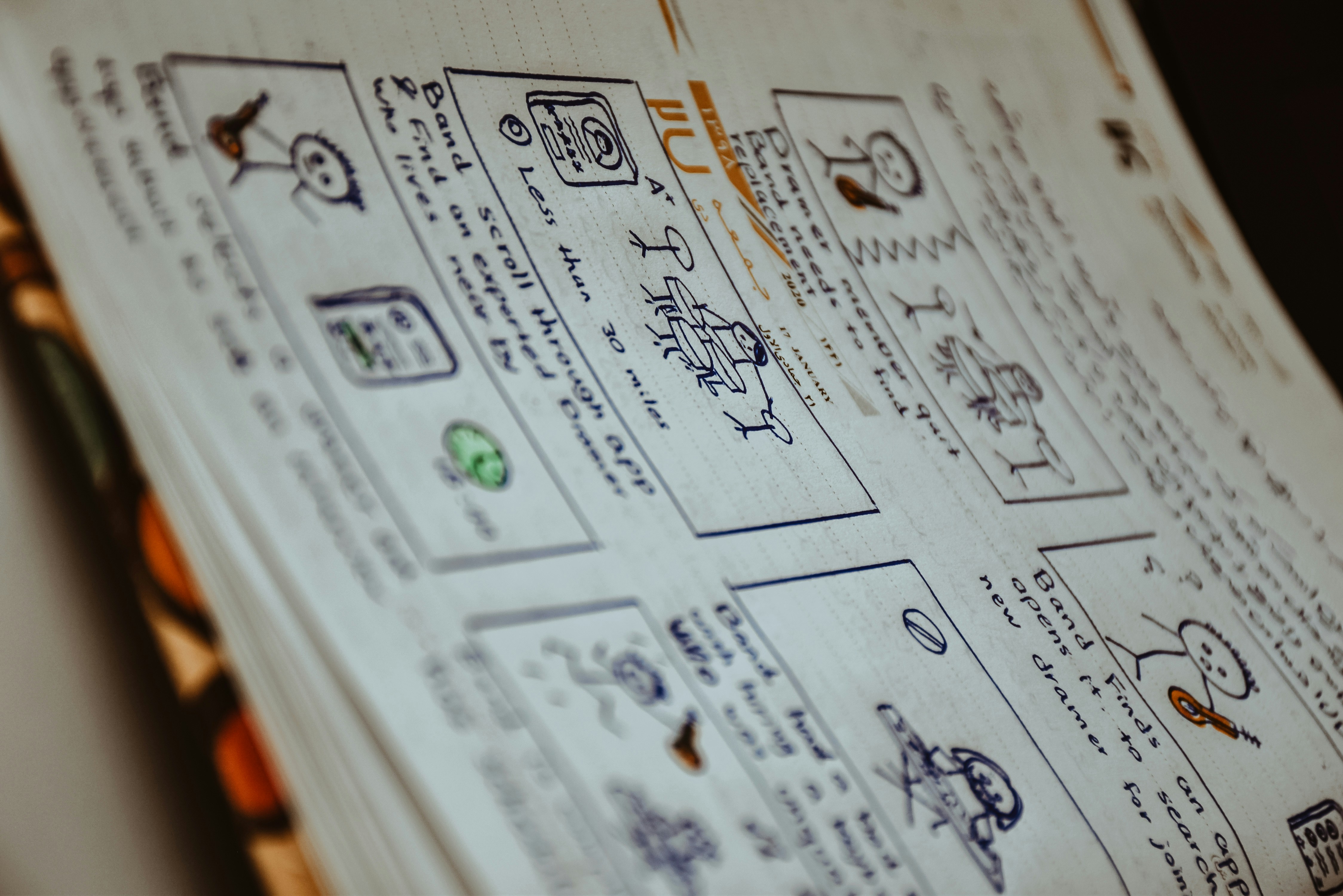
2.Storyboarding
Artists translate the written script into a visual sequence of sketches that resemble a comic strip. This essential "blueprint" helps the team plan camera angles, character movements, and the overall narrative flow before production begins.
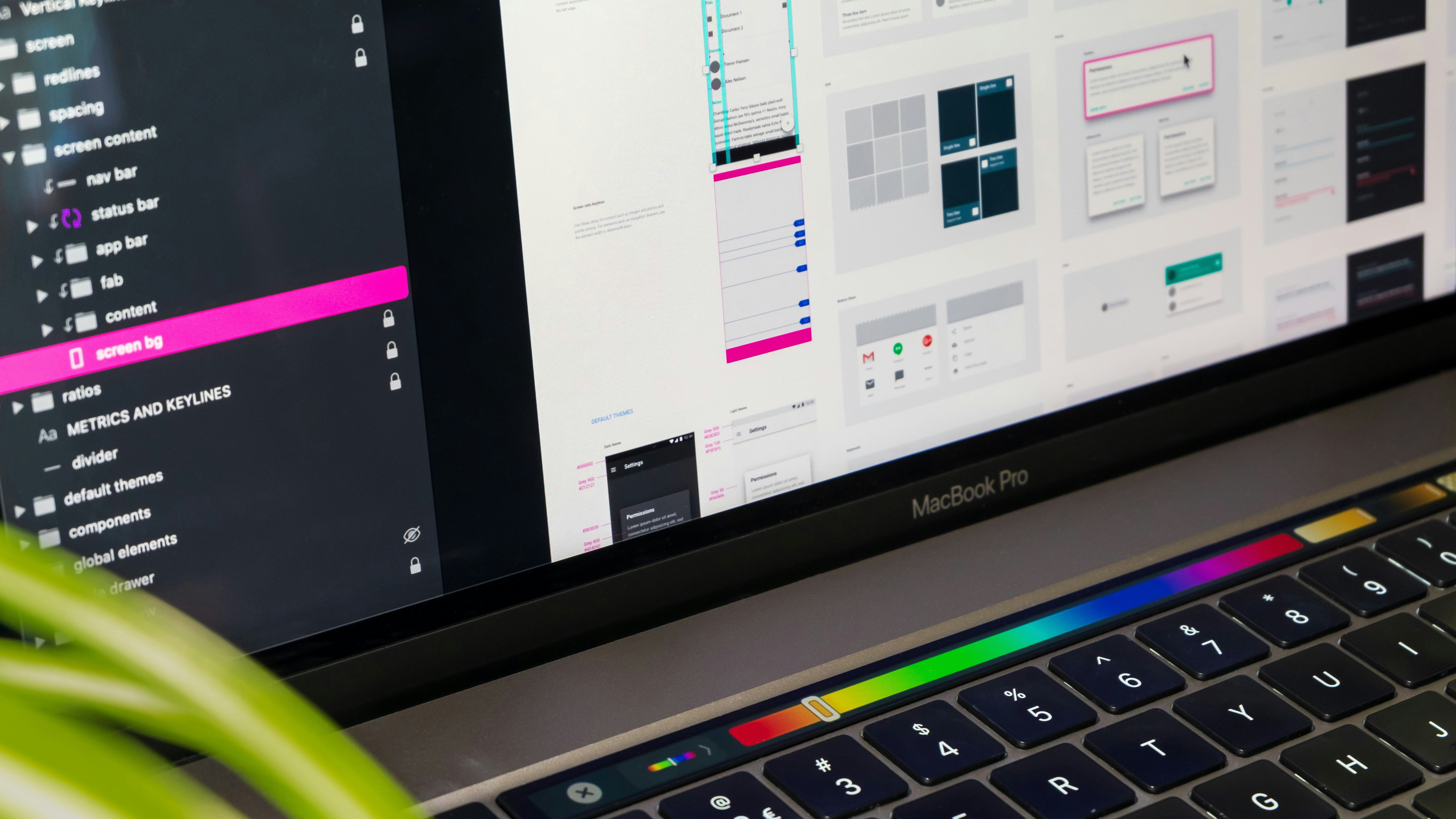
3.Design & Asset Creation
This stage focuses on establishing the visual rules, such as character model sheets, environment backgrounds, and props. Designers choose specific color palettes and textures to ensure the animation's look remains consistent and matches the desired mood.
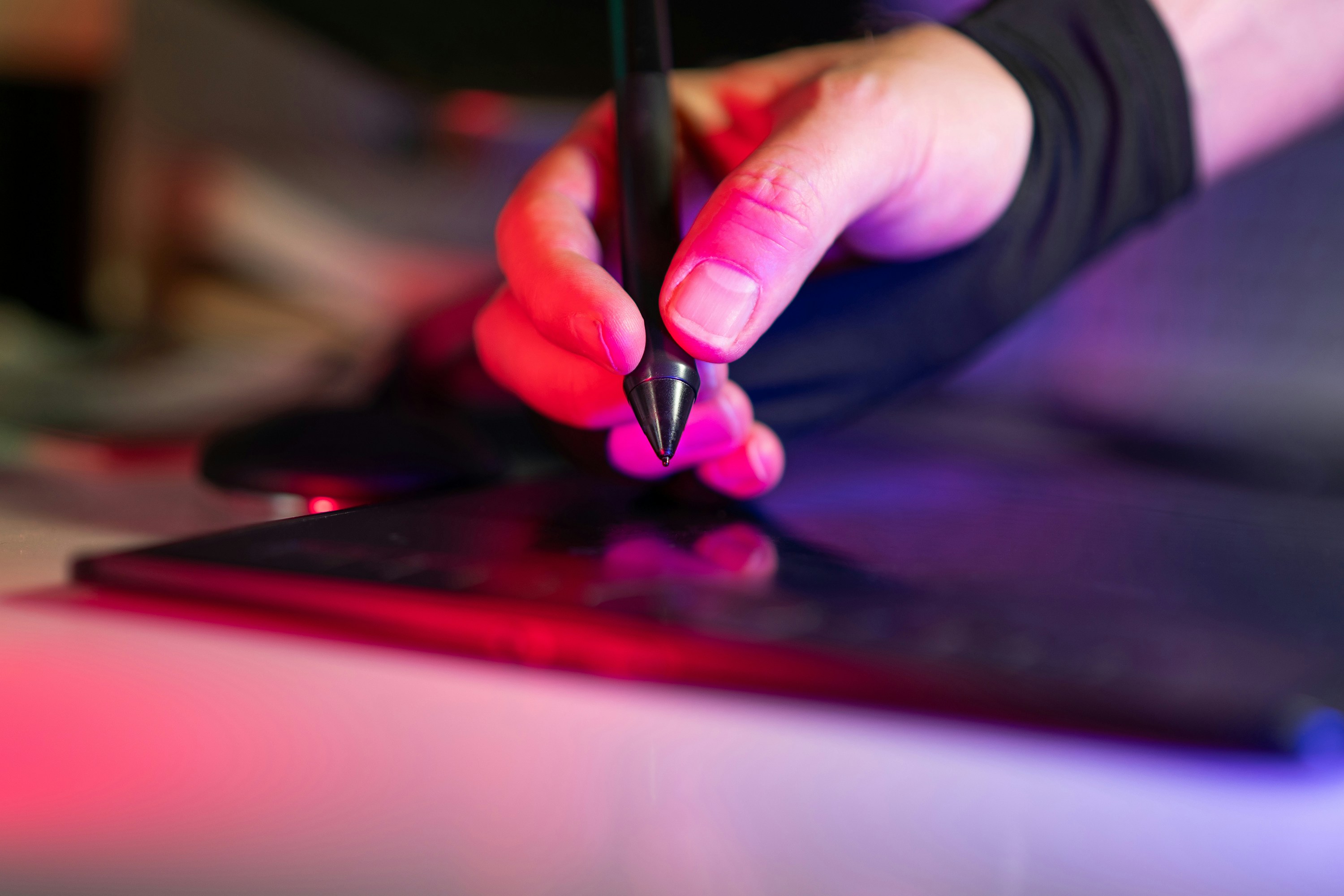
4.Animatic Development
An animatic is a rough, timed video made by stringing together storyboard panels with temporary sound effects or music. It allows creators to test the pacing and story logic, identifying any narrative problems while they are still cheap and easy to fix.
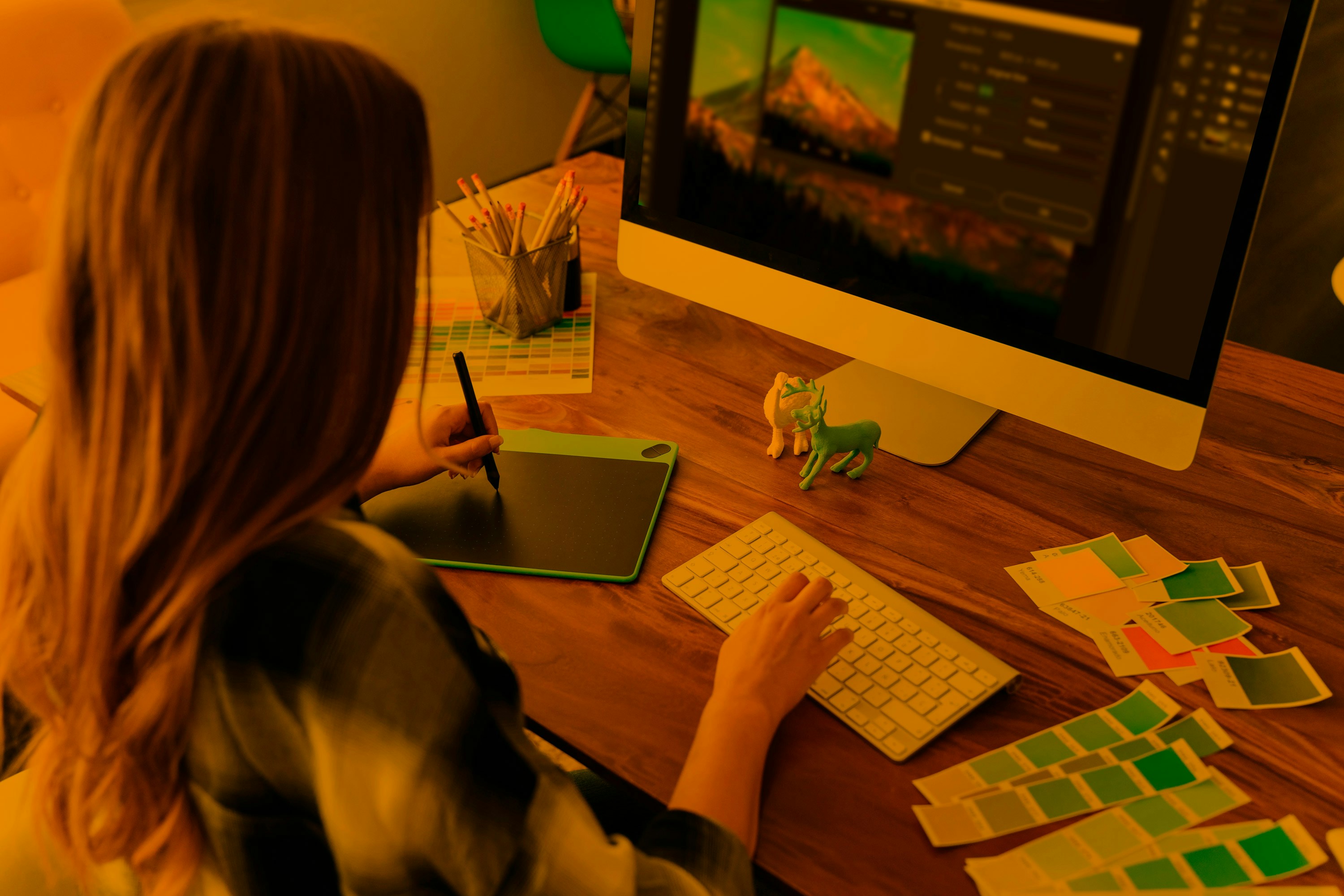
5.Animation (Production)
This is the labor-intensive stage where characters are brought to life through frame-by-frame movement. Animators start by setting "key poses" for major actions and then add the "in-between" frames to create fluid, believable motion.
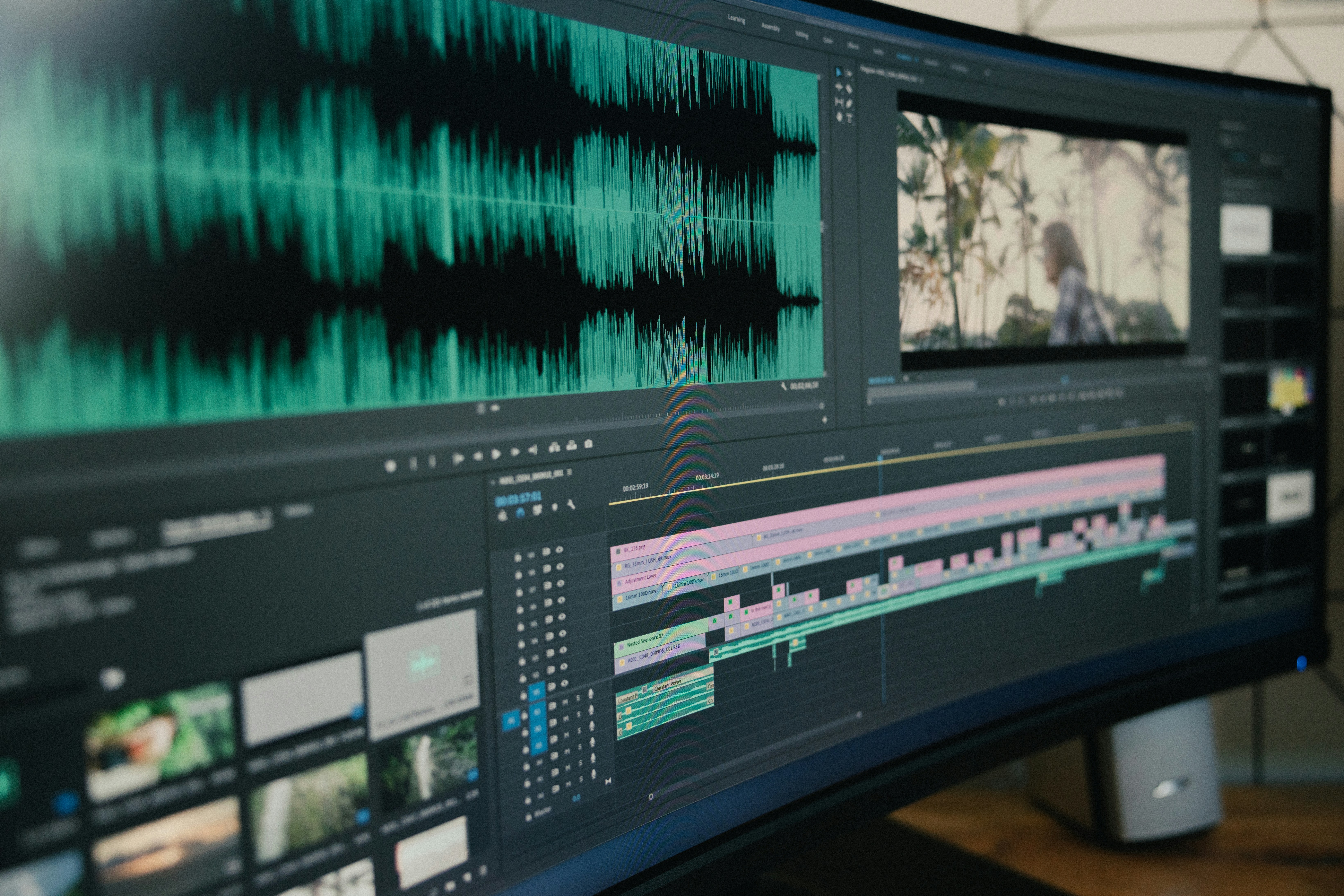
6.Post-Production & Sound
The final phase involves compositing all visual layers together and adding final touches like lighting, shadows, and special effects. Editors then synchronize the professional voiceovers, music, and sound design to create a polished, immersive experience.